Baseball Positions Explained: A Beginner's Guide
Nine players, nine jobs. Here's what each position does, where they stand, and the numbers scorekeepers use to track every play.
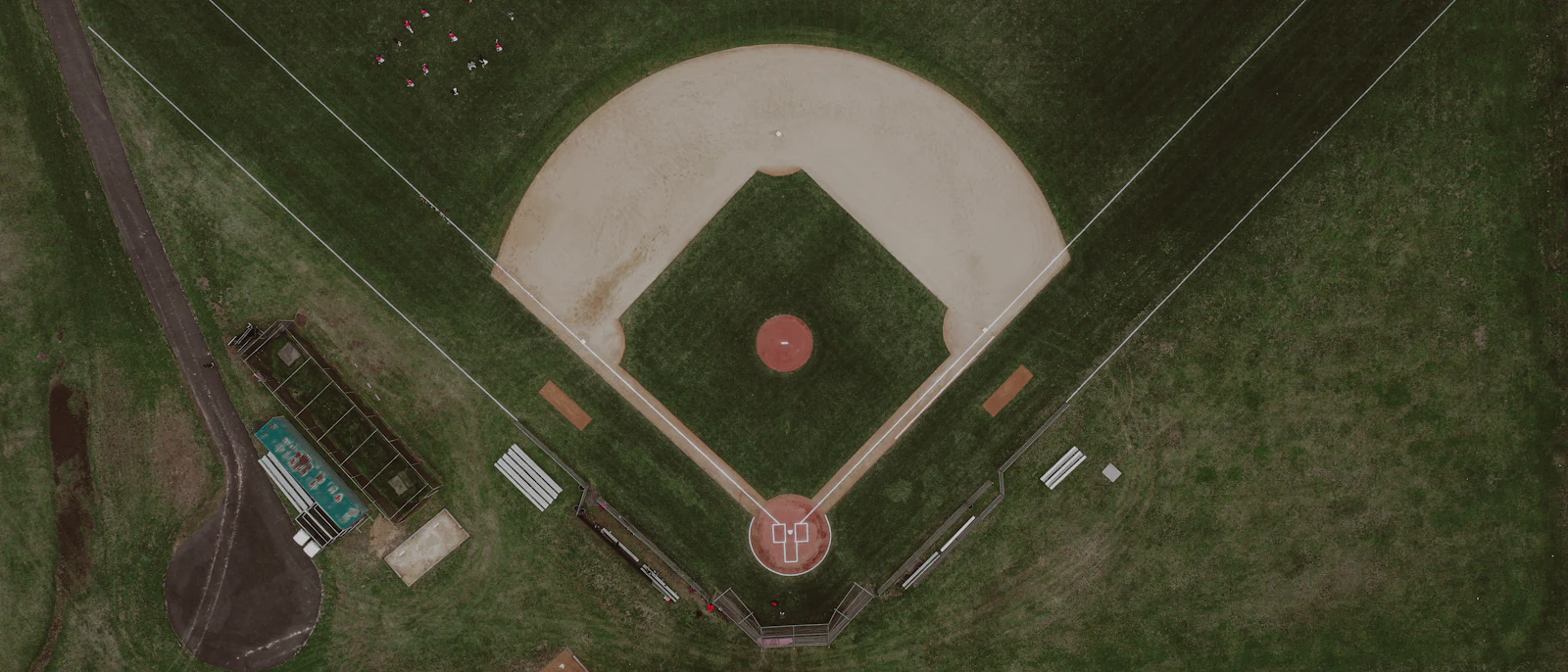
A baseball team in the field has nine players. Each position has a number from 1 to 9, used in scorekeeping. That's why you'll hear a double play described as "6-4-3": shortstop to second base to first base.
| No. | Position | Main job |
|---|---|---|
| 1 | Pitcher (P) | Throws each pitch to the batter and fields balls hit nearby |
| 2 | Catcher (C) | Receives pitches, calls signs and guards home plate |
| 3 | First base (1B) | Catches throws to record outs at first |
| 4 | Second base (2B) | Covers the right side of the infield and second base |
| 5 | Third base (3B) | Handles hard-hit balls on the left side, "the hot corner" |
| 6 | Shortstop (SS) | Covers the gap between second and third, often the busiest infielder |
| 7 | Left field (LF) | Catches fly balls and fields hits to the left side of the outfield |
| 8 | Centre field (CF) | Covers the most ground and leads the outfield |
| 9 | Right field (RF) | Covers the right side, often with a strong arm for throws to third |
The battery: pitcher and catcher
The pitcher and catcher together are called the battery. The pitcher starts every play. The catcher crouches behind home plate, receives pitches, helps choose what to throw, and is the only fielder who can see the whole field in front of them.
The infield
First base, second base, shortstop and third base make up the infield. They field ground balls, catch throws and try to turn double plays. First basemen need sure hands for throws in the dirt; middle infielders need quick feet and quick transfers; third basemen need fast reactions.
The outfield
Left, centre and right fielders track fly balls, stop hits from getting past them, and throw the ball back to the infield. Centre field usually has priority on balls between fielders, so communication matters.
New to the game?
Try several positions early on. Most young players benefit from learning the whole field before specialising.
Whatever your position, you'll need the right glove for it. Our glove sizing guide covers every spot on the diamond.